When Your Spa’s Chatbot Gives Bad Advice: Building an AI Review Process That Protects ClientsAI Tư Vấn Sai Liệu Trình: Vì Sao Spa Cần Người Duyệt Nội Dung Trước Khi Gửi Cho Khách

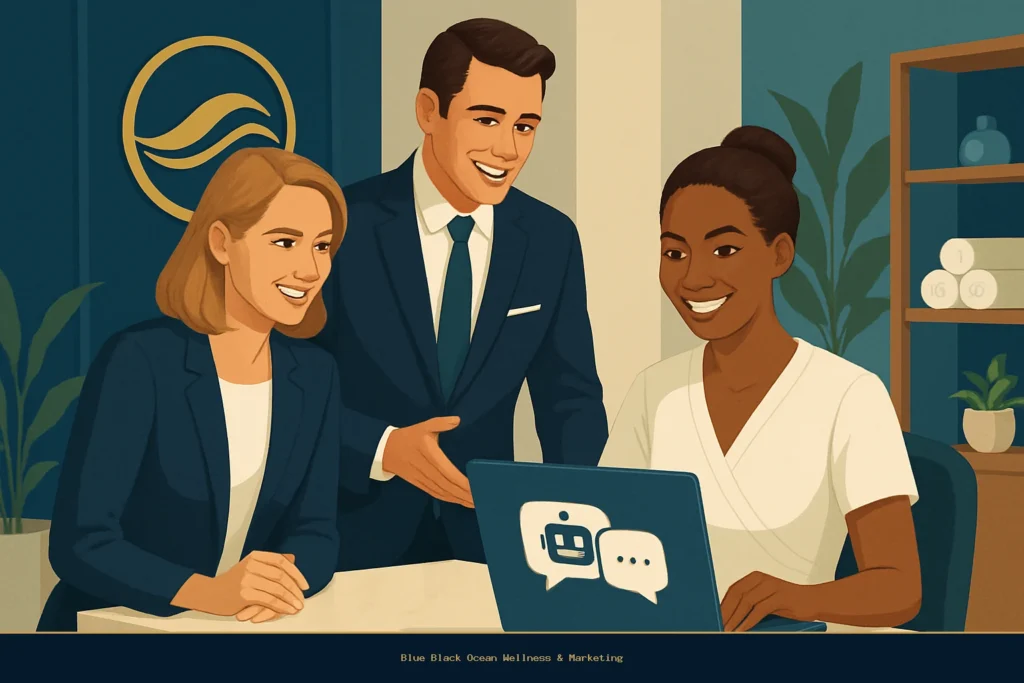
It’s 9:40 p.m. A client who had a laser treatment that afternoon messages your spa’s Facebook page asking what she can put on her skin tonight. Your chatbot answers within seconds, pulling from generic training data instead of your actual post-care protocol. She follows the advice, her skin reacts, and by morning there’s a one-star review describing “unprofessional advice from the spa.” Nobody on your team ever saw the conversation happen.
Table of Contents
- The Uncomfortable Truth
- Why This Keeps Happening
- Key Takeaways
- A Practical Review Framework for Spa Owners
- Step 1: Build One Source of Truth
- Step 2: Sort Content by Risk, Not by Channel
- Step 3: Set Response-Time Rules and a Hard Handoff Point
- Step 4: Assign Ownership
- A Composite Industry Scenario
- How Blue Black Ocean Approaches This
- Your Action Item This Week
- Frequently Asked Questions
- Should I just turn off my chatbot until I fix this?
- How do I know if a piece of AI content is high risk?
- Can AI still write my social captions?
- What’s the fastest way to start if I have no documentation at all?
- Next Step
This is not a story about AI being unreliable. It’s a story about a business that let a tool operate without anyone checking its work before that work reached a real person’s skin.
The Uncomfortable Truth
Most spa owners don’t realize how much risk they’ve handed over to automation until something goes wrong. The chatbot that answers messages after hours, the AI tool drafting your service descriptions, the auto-reply suggesting aftercare tips: none of these tools know your actual price list, your updated contraindications, or the specific way your estheticians phrase sensitive advice. They know patterns from broad training data. When a client asks a question that sits anywhere near medical judgment, skin sensitivity, or pricing, an AI system is guessing based on averages, not your protocols.
The uncomfortable part isn’t that AI can be wrong. It’s that spas are uniquely exposed when it is. Unlike a retail store where a chatbot mistake might mean a wrong shipping estimate, a spa’s mistake can mean irritated skin, an allergic reaction, or a client who now questions whether your licensed estheticians know what they’re doing, even though the chatbot was the one that answered. Once trust erodes on a health-adjacent service, it doesn’t stay contained to “the bot got it wrong.” It becomes “can I trust this business at all.”
Why This Keeps Happening
The root cause is rarely bad intent. It’s usually a gap in process. Owners adopt AI tools to save time, which is a reasonable goal, but they treat the tool as a full replacement for judgment instead of a drafting assistant. There is no single document listing current services, prices, and contraindications for the AI or staff to reference. There is no rule distinguishing what the AI can post or send on its own versus what a human must approve first. When a new service or product is added, nobody updates the chatbot’s guardrails, so it keeps operating on outdated assumptions.
Key Takeaways
- AI is a drafting tool, not a decision-maker. It can suggest captions, draft FAQ answers, and speed up routine replies, but it should not be the final voice on anything touching treatment advice, pricing, or contraindications.
- Risk level should determine review requirements. A caption about a new candle scent carries different risk than a message asking about post-laser aftercare. Treat them differently.
- Outdated reference data is often the real culprit. If your AI tool or scripted replies weren’t updated when you added a new service, they are working from wrong information by default.
- Trust damage in this industry compounds fast. One bad automated answer about skin safety can make clients question your entire team, not just the tool.
A Practical Review Framework for Spa Owners
You don’t need to abandon AI to fix this. You need a governance layer around it. Here is a sequence that works for small and mid-sized spas without requiring a dedicated compliance department.
Step 1: Build One Source of Truth
Create a single, current document (a shared file, not scattered notes) listing every service, current price, known contraindications, and the tone or phrasing your brand uses when talking to clients. This becomes the only reference your AI tools, scripted replies, and staff are allowed to pull from. When you add or change a service, this document gets updated first, before anything else changes.
Step 2: Sort Content by Risk, Not by Channel
- Low risk, AI can post directly: Instagram captions, general promotional copy, seasonal reminders with no medical or pricing claims.
- Medium risk, AI drafts, a human skims before sending: booking confirmations, general service descriptions, review responses that are positive or neutral.
- High risk, human approval required every time: any message involving skin condition, allergies, contraindications, treatment aftercare, pricing quotes, or a negative review response.
Step 3: Set Response-Time Rules and a Hard Handoff Point
Decide how quickly each risk tier needs a reply, and set a clear rule: the moment a client mentions a skin reaction, allergy, medical condition, or asks something outside the standard FAQ, the conversation must transfer to a real staff member, even if that means telling the client “let me have our esthetician follow up first thing tomorrow.” A short delay with an accurate answer protects the business far more than an instant answer that’s wrong.
Step 4: Assign Ownership
Someone specific, not “the team,” needs to own reviewing high-risk AI content before it goes out. In a small spa, this is often the owner or manager. In a larger operation, it might be the lead esthetician who already knows the protocols cold.
A Composite Industry Scenario
Consider a small spa in the U.S. that used a chatbot to handle after-hours messages. The chatbot worked fine for months, until the spa added a new laser service. Nobody updated the chatbot’s contraindication data. When a client with sensitive skin asked about aftercare, the bot gave generic advice that didn’t account for the new treatment’s specific requirements. This is a composite scenario built from patterns common across the industry, not a specific client case, but it illustrates exactly the gap most spas have: the tool wasn’t updated when the business changed.
How Blue Black Ocean Approaches This
Blue Black Ocean starts by diagnosing where a spa’s content and messaging actually break down, not by assuming AI is the problem. That often means reviewing what chatbots and auto-replies are currently saying, checking it against the spa’s real protocols, and flagging mismatches. From there, Blue Black Ocean helps build the practical pieces: real video content filmed on-site so clients see the actual space, actual process, and actual team members instead of stock imagery; a consistent posting rhythm on the fanpage that matches your brand’s voice; and a website that clearly lays out services, reference pricing, and safety notes so clients arrive informed before they ever book. Blue Black Ocean also helps set up the review checkpoints described above, so AI stays useful without becoming a liability.
Your Action Item This Week
List every piece of automated content currently running at your spa: chatbot replies, scripted text responses, AI-generated captions. Mark which ones touch pricing, treatment advice, or contraindications. Assign one person to review and approve that flagged content for the next seven days. This single exercise usually reveals more risk than owners expect.
Frequently Asked Questions
Should I just turn off my chatbot until I fix this?
Not necessarily. Low-risk uses like general hours, location, and booking links are usually fine left automated. The priority is restricting or reviewing anything touching health, skin condition, or pricing specifics.
How do I know if a piece of AI content is high risk?
Ask whether a wrong answer could affect someone’s skin, health, or wallet, or whether it responds to a complaint. If yes to any of those, it needs human eyes before it goes out.
Can AI still write my social captions?
Yes, for content with no medical or pricing claims, AI drafting can save real time. Just keep a quick human skim in place to protect brand voice and catch anything oddly phrased.
What’s the fastest way to start if I have no documentation at all?
Start with contraindications and pricing, since those carry the highest risk. A simple shared document covering just those two areas is a strong first step before building out the rest.
Next Step
If you’re not fully sure what your automated tools are currently telling clients, that’s worth a closer look before it turns into a review you can’t take back. Blue Black Ocean offers a Free Marketing Direction Review to help spa owners see where their content and messaging processes need a human checkpoint, with no guarantees attached, just a clear-eyed look at where the gaps are.
Trả lời nhanh: Spa có thể dùng AI để soạn caption, trả lời tin nhắn cơ bản, nhưng bất kỳ nội dung nào liên quan đến liệu trình, giá, hoặc chống chỉ định sức khỏe đều cần một người thật kiểm tra lại trước khi gửi cho khách. Thiếu bước này, spa đang đặt uy tín chuyên môn vào tay một công cụ không hiểu ngữ cảnh thực tế của mình.
Mục lục
Một khách quen nhắn tin hỏi spa liệu có nên tiếp tục dùng retinol sau buổi laser vừa làm tuần trước. Chatbot tự động trả lời theo dữ liệu mặc định, không biết rằng spa này có phác đồ chăm sóc sau laser riêng, khác với quy trình chuẩn chung. Khách làm theo, da bị kích ứng nhẹ, và để lại đánh giá than phiền rằng “spa tư vấn sai, không chuyên nghiệp.”
Đây không phải lỗi của AI. Đây là lỗi của quy trình. Không ai kiểm tra lại câu trả lời trước khi nó đến tay khách.
Sự thật cần nhìn thẳng
Ngành spa và chăm sóc sức khỏe khác biệt rõ rệt so với nhiều ngành dịch vụ khác. Khách hàng không chỉ mua trải nghiệm thư giãn, họ còn tin tưởng spa với làn da, cơ thể, và đôi khi cả tình trạng sức khỏe nhạy cảm. Một câu trả lời sai về chống chỉ định không chỉ làm mất một khách, nó làm khách nghi ngờ toàn bộ năng lực chuyên môn của đội ngũ.
AI hiện nay rất giỏi trong việc soạn thảo nhanh, gợi ý ý tưởng, trả lời câu hỏi lặp lại. Nhưng AI không biết spa của bạn vừa đổi công thức sản phẩm, vừa thêm dịch vụ mới, hay vừa có khách bị dị ứng với một loại tinh dầu cụ thể. AI chỉ trả lời dựa trên dữ liệu nó có, không phải dựa trên thực tế đang diễn ra tại cơ sở của bạn.
Vấn đề không nằm ở việc có nên dùng AI hay không. Vấn đề nằm ở việc ai là người chịu trách nhiệm kiểm tra nội dung trước khi nó công khai hoặc đến tay khách. Nếu câu trả lời là “không ai cả,” đó chính là điểm nghẽn.
Những điểm chính cần ghi nhớ
- AI phù hợp để soạn nháp nội dung, không phù hợp để tự động quyết định thông tin liên quan đến sức khỏe hoặc giá cả.
- Nội dung rủi ro thấp (caption ảnh, lời chúc, thông báo giờ mở cửa) có thể để AI xử lý nhanh mà không cần duyệt gắt gao.
- Nội dung rủi ro cao (tư vấn liệu trình, chống chỉ định, phản hồi khiếu nại, báo giá) bắt buộc phải có người duyệt trước khi gửi.
- Tài liệu chuẩn hoá về dịch vụ, giá, và chống chỉ định là nền tảng để cả AI lẫn nhân viên mới tham chiếu chính xác.
- Quy định về thời gian phản hồi rõ ràng giúp khách biết khi nào nhận được câu trả lời từ người thật, tránh hiểu lầm rằng chatbot là câu trả lời cuối cùng.
Quy trình kiểm duyệt nội dung AI cho spa
- Lập tài liệu gốc: Viết ra danh sách dịch vụ, giá tham khảo, chống chỉ định phổ biến, và giọng văn thương hiệu. Đây là nguồn duy nhất mọi nội dung AI phải dựa vào.
- Phân loại rủi ro: Chia nội dung thành hai nhóm, rủi ro thấp và rủi ro cao, dựa trên việc nội dung có ảnh hưởng đến sức khỏe, giá, hoặc uy tín hay không.
- Chỉ định người duyệt: Một quản lý hoặc chuyên viên có kinh nghiệm chịu trách nhiệm xem lại toàn bộ nội dung rủi ro cao trước khi công khai hoặc gửi cho khách.
- Thiết lập điểm chuyển tiếp: Khi khách hỏi về tình trạng da cụ thể, dị ứng, hoặc phản ứng sau liệu trình, chatbot phải tự động chuyển sang nhân viên thật, không được tự trả lời.
- Rà soát định kỳ: Mỗi khi spa thêm dịch vụ mới hoặc đổi sản phẩm, cập nhật ngay tài liệu gốc để AI và nhân viên không dùng thông tin cũ.
Một điểm dễ bị bỏ qua là cách quảng cáo của spa đã thay đổi theo thời gian. Trước đây, nhiều spa phải dựa vào tờ rơi phát tại khu dân cư, quảng cáo báo in địa phương, hoặc bảng hiệu ngoài trời để khách biết đến mình. Các nền tảng mạng xã hội hiện nay cho phép spa tiếp cận đúng nhóm khách quan tâm đến chăm sóc da hoặc sức khỏe, thử nghiệm nhiều cách truyền tải thông điệp, và theo dõi phản hồi linh hoạt hơn nhiều. Nhưng điều này không có nghĩa là mạng xã hội luôn rẻ hơn hoặc luôn hiệu quả hơn quảng cáo truyền thống trong mọi trường hợp. Kết quả chỉ đến khi chiến lược nội dung, cách nhắm đúng khách, và quy trình theo dõi được kết nối chặt chẽ với nhau, chứ không phải chỉ vì đăng bài đều đặn.
Giải pháp Blue Black Ocean đề xuất
Blue Black Ocean bắt đầu bằng việc chẩn đoán điểm nghẽn thực tế: xem lại toàn bộ nội dung tự động đang chạy tại spa, xác định đâu là nội dung rủi ro cao chưa có người kiểm duyệt, và đề xuất quy trình phân loại phù hợp với quy mô đội ngũ hiện tại.
Sau khi quy trình được thiết lập, Blue Black Ocean triển khai phần nội dung thật: quay video tại cơ sở để khách nhìn thấy không gian, quy trình làm việc, và đội ngũ chuyên viên thật thay vì chỉ đọc mô tả chung chung. Nội dung fanpage được đăng đều đặn với giọng văn nhất quán, giúp khách quen dần với cách spa giao tiếp và tin tưởng hơn trước khi đặt lịch.
Website cũng được xây dựng hoặc cải thiện để trở thành nơi khách có thể tự tìm hiểu dịch vụ, giá tham khảo, và những lưu ý an toàn cơ bản trước khi liên hệ. Đây chính là cách Blue Black Ocean đã hỗ trợ Royal Nails Salon Spa: quay video thực tế tại salon, đăng nội dung về các mẫu nail và hoạt động salon một cách đều đặn, và phát triển website thành một phòng trưng bày trực tuyến, giúp khách hiểu rõ dịch vụ, phong cách, không khí, và hoạt động hiện tại trước khi đặt lịch hoặc ghé thăm. Sự thay đổi quan sát được nằm ở độ rõ ràng, tính nhất quán, và sự hiện diện số của thương hiệu, không phải ở một con số cụ thể nào.
Nếu spa của bạn đang dùng AI nhưng chưa chắc quy trình kiểm duyệt đã đủ chặt, hãy đặt lịch tư vấn miễn phí với Blue Black Ocean qua trang Contact để cùng rà soát điểm nghẽn hiện tại.
Câu hỏi thường gặp
AI có nên trả lời trực tiếp câu hỏi về chống chỉ định không?
Không nên để AI tự quyết định câu trả lời cuối cùng. AI có thể gợi ý câu trả lời nháp, nhưng một nhân viên có chuyên môn phải xem lại trước khi gửi cho khách, đặc biệt với câu hỏi liên quan đến da nhạy cảm, dị ứng, hoặc phản ứng sau liệu trình.
Làm sao biết nội dung nào là rủi ro cao?
Nội dung rủi ro cao là bất kỳ thông tin nào nếu sai có thể ảnh hưởng đến sức khỏe khách, gây hiểu lầm về giá, hoặc làm tổn hại uy tín thương hiệu. Ví dụ: tư vấn liệu trình, chống chỉ định, báo giá, phản hồi đánh giá tiêu cực.
Spa nhỏ với ít nhân sự có thể áp dụng quy trình này không?
Có. Ngay cả spa chỉ có một hoặc hai người quản lý vẫn có thể áp dụng bằng cách đơn giản hoá: một người duy nhất chịu trách nhiệm duyệt toàn bộ nội dung rủi ro cao mỗi ngày, thay vì cố gắng xây dựng hệ thống phức tạp ngay từ đầu.
Blue Black Ocean sẵn sàng đồng hành cùng spa của bạn để xây dựng quy trình nội dung an toàn, nhất quán, và đúng chuyên môn ngay từ tuần này. Hãy liên hệ qua trang Contact để bắt đầu buổi tư vấn định hướng miễn phí.


[…] When Your Spa’s Chatbot Gives Bad Advice: Building an AI Review Process That Protects Clients […]