Why Springfield Diners Scroll Past Your Restaurant (And What to Do About It)Vì Sao Khách Tìm Thấy Nhà Hàng Trên Google Nhưng Không Gọi Đặt Bàn

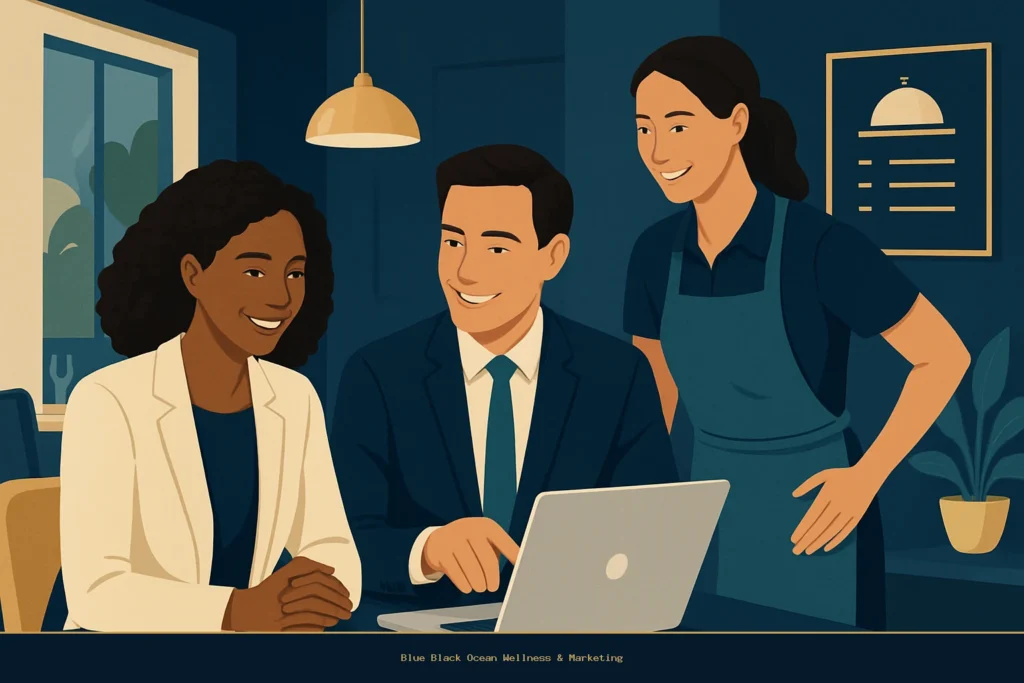
A Springfield restaurant owner checks the analytics on a Tuesday afternoon: Google Maps views are up, the fanpage reach looks healthy, people are clearly finding the place online. Then she looks at the reservation book and the walk-in count for that evening. Both are flat. Something is breaking between “found us” and “showed up,” and it is not a visibility problem. It is a decision problem.
Table of Contents
- The Uncomfortable Truth
- Why the Menu Itself Is the Breaking Point
- Key Takeaways
- A Practical Process to Close the Decision Gap
- Industry Scenario: Niji Sushi & Grill
- How Blue Black Ocean Approaches This Problem
- What to Do This Week
- What to Watch For Afterward
- Frequently Asked Questions
- Why do I get views on Google Maps but no calls or walk-ins?
- Is posting more often on social media the fix?
- Do I need professional photography to fix this?
- How long does it take to see a difference after updating menu content?
- Next Step
This pattern shows up constantly in local dining markets, and it has a specific, fixable cause. Customers are not disappearing because they cannot locate the restaurant. They are disappearing because once they land on the page, they still cannot answer three basic questions: what’s actually good here, what will it cost, and is this the kind of place I want to walk into tonight. When those questions stay unanswered, hesitation wins and the customer quietly picks a competitor with clearer information.
The Uncomfortable Truth
Most restaurant owners assume their marketing problem is about getting found. It usually is not. The uncomfortable truth is that discovery and decision-making are two separate stages, and most local restaurants have only solved the first one. A customer can find your restaurant on Google Maps in four seconds and still spend the next four minutes scrolling through a blurry PDF menu, outdated photos, or a Facebook page with no recent posts, trying to figure out if it’s worth the drive.
That gap is where business gets lost. It is not that people are not interested. It is that nobody has given them enough to commit. A restaurant with strong foot traffic on weekends but a quiet Tuesday and Wednesday is often not suffering from low demand. It is suffering from unresolved uncertainty at the exact moment a customer was ready to decide.
Why the Menu Itself Is the Breaking Point
In most cases, the root cause is sitting right on the website or the fanpage: a scanned PDF menu with no real food photography, prices that are hard to find or missing entirely, and no sense of what the dining room actually feels like. Today’s customer wants quiet confirmation before they ever pick up the phone. They want to see that the dish on the menu looks like the dish in the photo. They want to know if the place is busy or empty on a weeknight. They want a sense of who is serving them.
When that confirmation is missing, the customer does not call to ask. They simply move on to a restaurant that already answered those questions for them. This is why ad spend and posting effort sometimes fail to translate into actual visits: the budget drives people to the front door of your digital presence, but the door itself does not open smoothly.
Key Takeaways
- Visibility and conversion are different problems. Being found on Google or social media does not guarantee a customer feels confident enough to contact you.
- Menu discovery is a sales step, not a static listing. Treat your menu page the way you would treat a host greeting someone at the door.
- Authenticity closes the gap. Real photos, real pricing, and real atmosphere reduce the hesitation that sends customers to a competitor.
- Consistency matters more than volume. A steady rhythm of fresh content keeps the restaurant top of mind between visits.
- Slow weeknights are often a clarity problem, not a demand problem. If weekends are strong but Tuesday and Wednesday are quiet despite similar traffic, look at what information is missing, not just who is seeing it.
A Practical Process to Close the Decision Gap
Fixing this does not require a total rebrand. It requires treating your digital presence as the moment where a customer makes up their mind, not just a place where they confirm your address. Here is a sequence that works for independent restaurants without a marketing department.
- Audit what a new customer actually sees. Open your website and fanpage on a phone, as a stranger would. Can you tell what the restaurant specializes in in under ten seconds? Can you find three prices without digging?
- Photograph your five best-selling dishes this week. Natural light, no filters, clear plating. These five dishes are doing more selling work than almost anything else on your page.
- Attach real prices to every featured item. Ambiguity about cost is one of the fastest ways to lose a hesitant customer.
- Show the room, not just the food. A short video of the dining area during service, or the kitchen at work, answers the “what’s it like to walk in” question before anyone asks it.
- Turn your website into the decision hub. The fanpage builds familiarity over time, but the website should be where someone lands and leaves with every question answered: menu, pricing, atmosphere, story.
- Post on a predictable schedule. Irregular posting signals an inactive business, even if the kitchen is full every night.
- Assign ownership. One person should be responsible for watching engagement and answering questions left in the comments, not just publishing content.
Industry Scenario: Niji Sushi & Grill
Niji Sushi & Grill worked with Blue Black Ocean to address exactly this gap between discovery and decision. Blue Black Ocean filmed the dishes, the preparation process, the dining space, and the daily rhythm of the restaurant, then built a consistent fanpage posting cadence and developed the website into a central hub where visitors could understand the menu, the brand story, and the dining experience before ever walking in or placing an order. The observable change was in clarity, consistency, and digital presence, not in specific traffic or revenue figures, since those numbers were not tracked as part of this scope.
How Blue Black Ocean Approaches This Problem
Blue Black Ocean starts by diagnosing exactly where a restaurant’s customer journey breaks down, often at the menu discovery stage rather than the visibility stage. From there, the priorities are sequenced: on-site video of real dishes and real space first, a consistent fanpage rhythm second, and a website rebuilt as the decision-making hub third. Implementation support includes filming at the restaurant, structuring content for clarity, and helping the owner’s team maintain a sustainable posting cycle. Measurement focuses on observable signals rather than invented numbers: how clear the information is, how often new content goes up, and how complete the website feels to a first-time visitor.
What to Do This Week
Pick your five best-selling dishes and photograph them on a phone in natural light, with prices written out clearly. Post them to the website and fanpage before the week ends. Assign one person to track how customers respond, what questions show up in the comments, and whether engagement shifts. This single step targets the exact point where interested customers currently stall out.
What to Watch For Afterward
Set a simple baseline this week and check back in roughly four weeks, then again at the eight-week mark. Watch for observable shifts such as more questions in the comments (“is this available for takeout,” “do you take reservations”), more consistent weekday engagement, and fewer customers who show up unsure of what to order. These are leading indicators. Business outcomes like increased weeknight reservations should be reviewed separately and over a longer window, without assuming a guaranteed result.
Frequently Asked Questions
Why do I get views on Google Maps but no calls or walk-ins?
This usually means customers are finding your restaurant but cannot get enough information to feel confident contacting you. The gap is typically in menu clarity, pricing, or a lack of real photos and video showing the actual food and space.
Is posting more often on social media the fix?
Posting consistency helps keep your restaurant visible and top of mind, but it does not replace the need for clear, accurate menu content. A steady posting rhythm paired with an informative website works better than either one alone.
Do I need professional photography to fix this?
Not necessarily at first. Clear phone photos taken in natural light, showing your actual dishes with visible pricing, can meaningfully close the information gap. The priority is accuracy and clarity, not production value.
How long does it take to see a difference after updating menu content?
There is no fixed guarantee, since results depend on the restaurant’s existing traffic and market. A reasonable approach is to set a baseline now, then review engagement and customer questions after about four weeks and again after eight weeks to see what has observably changed.
Next Step
If your Springfield restaurant has steady online visibility but inconsistent weekday traffic, the issue is likely sitting in the menu discovery experience, not your location or your food quality. Blue Black Ocean offers a Free Marketing Direction Review focused specifically on this kind of gap: where customers are stalling between finding your restaurant and deciding to contact you. There is no obligation and no guaranteed outcome promised, just a clear look at where the decision process is breaking down and what to prioritize first.
Trả lời nhanh: Khách tìm thấy nhà hàng nhưng không gọi đặt bàn thường vì họ chưa đủ thông tin để quyết định: không rõ thực đơn, giá cả, không gian thực tế. Giải pháp là xây dựng nội dung thực đơn sống động, rõ ràng trên website và fanpage để khách tự tin quyết định trước khi liên hệ.
Mục lục
Chủ nhà hàng thường gặp một tình huống quen thuộc: lượt xem trên Google Maps tăng, fanpage có thêm người theo dõi, nhưng số cuộc gọi đặt bàn hoặc khách bước vào cửa không tăng tương ứng. Nhà hàng không thiếu người nhìn thấy, mà thiếu người đủ thông tin để quyết định ghé.
Đây là một nỗi đau rất cụ thể trong ngành nhà hàng: khách hàng tiềm năng đã biết đến nhà hàng, nhưng chưa hình dung được họ sẽ ăn gì, trả bao nhiêu, và không gian trông ra sao. Khi thiếu những thông tin đó, phần lớn khách sẽ chọn phương án an toàn hơn: một nhà hàng khác đã cho họ thấy rõ ràng hơn.
Sự thật cần nhìn thẳng
Rất nhiều nhà hàng ở Springfield đầu tư thời gian để xuất hiện trên Google, cập nhật giờ mở cửa, trả lời đánh giá. Đó là những việc cần thiết, nhưng chúng chỉ giúp khách tìm thấy nhà hàng, chứ không giúp khách hiểu nhà hàng.
Thực đơn trên website thường là một file hình ảnh cũ, chữ mờ, không ghi giá rõ ràng hoặc đã lỗi thời so với menu thật. Fanpage có thể có vài tấm ảnh món ăn, nhưng không đủ để khách hình dung bữa ăn thực tế trông như thế nào, phần ăn có lớn không, không gian có phù hợp cho buổi hẹn hay tiệc gia đình hay không.
Khách hàng hiện nay có thói quen xác nhận trước khi hành động. Trước khi gọi đặt bàn hoặc lái xe đến, họ muốn xem món ăn trông có giống hình không, quán có đông không, nhân viên phục vụ ra sao. Nếu không tìm thấy câu trả lời rõ ràng trong vài giây lướt xem, họ sẽ bỏ qua và chuyển sang lựa chọn khác, thường là đối thủ cạnh tranh gần đó.
Nguyên nhân gốc không nằm ở việc nhà hàng thiếu khách tiềm năng. Nguyên nhân nằm ở chỗ nhà hàng chưa biến quá trình khám phá thực đơn thành một bước thuyết phục thật sự, mà vẫn xem đó chỉ là thông tin tĩnh đặt cho có trên website.
Những điểm chính cần ghi nhớ
- Lượt xem tăng không đồng nghĩa với lượt đặt bàn tăng; đó là hai giai đoạn khác nhau trong hành trình ra quyết định của khách.
- Thực đơn mơ hồ hoặc lỗi thời là điểm nghẽn phổ biến nhất khiến khách tiềm năng rời đi trước khi liên hệ.
- Khách hàng ngày nay muốn xác nhận bằng hình ảnh và video thật trước khi tin tưởng quyết định ghé ăn.
- Website và fanpage cần đóng vai trò là nơi khách hiểu rõ nhà hàng, không chỉ là nơi thông báo giờ mở cửa.
- Nội dung đều đặn, cập nhật thật giúp duy trì sự tin tưởng tốt hơn một lần đăng bài hoành tráng rồi im lặng nhiều tháng.
Quy trình kiểm tra thực tế cho chủ nhà hàng
- Mở website nhà hàng trên điện thoại, xem thực đơn có hiển thị rõ ràng, có giá, có cập nhật đúng với menu hiện tại không.
- Xem lại 5 bài đăng fanpage gần nhất: có cho khách thấy món ăn thật, không gian thật, hay chỉ là ảnh stock hoặc chữ quảng cáo chung chung.
- Hỏi một người chưa từng đến quán xem họ có thể trả lời được ba câu hỏi sau chỉ bằng cách xem website và fanpage không: Quán bán món gì nổi bật? Giá tầm bao nhiêu? Không gian phù hợp cho dịp gì?
- Ghi lại những câu hỏi khách thường nhắn tin hỏi trước khi đặt bàn; đó chính là khoảng trống thông tin cần lấp.
- So sánh với một đối thủ gần đó đang làm tốt phần hiển thị thực đơn và không gian, để xác định khoảng cách cụ thể.
Giải pháp thực tế: biến thực đơn thành công cụ bán hàng
Giải pháp không phải là chụp thêm vài tấm ảnh đẹp rồi để đó. Giải pháp là xây dựng một hệ thống nội dung thực đơn sống động và nhất quán, nơi khách có thể xem món ăn thật, nghe mô tả ngắn gọn, thấy không gian thật trước khi họ quyết định liên hệ.
Video ngắn quay tại quán, ghi lại quá trình chế biến món, không khí vào giờ cao điểm, phản ứng tự nhiên của khách đang ăn, có sức thuyết phục hơn nhiều so với ảnh tĩnh. Những đoạn nội dung này nên được đăng đều đặn trên fanpage, không chỉ một lần, để khách luôn thấy quán đang hoạt động thật, món ăn luôn tươi, không gian luôn sạch đẹp.
Website cần được xem là nơi trung tâm để khách tìm hiểu trước khi hành động: thực đơn rõ giá, hình ảnh món ăn thật, mô tả ngắn về không gian và câu chuyện thương hiệu. Khi khách đã xem đủ thông tin này, bước gọi điện đặt bàn hoặc đặt món trở thành một quyết định dễ dàng hơn nhiều.
Trước đây, nhà hàng thường phải dựa vào tờ rơi, bảng quảng cáo ngoài trời hoặc báo in để tiếp cận khách mới. Những kênh đó khó đo lường phản hồi và khó điều chỉnh nhanh. Mạng xã hội ngày nay cho phép nhà hàng tiếp cận đúng nhóm khách ở gần, thử nghiệm nhiều cách giới thiệu món ăn khác nhau, và theo dõi khách phản hồi ra sao. Điều này không có nghĩa mạng xã hội luôn rẻ hơn hoặc luôn hiệu quả hơn trong mọi trường hợp. Kết quả chỉ đến khi nội dung, chiến lược, website và quy trình theo dõi được kết nối đúng với nhau.
Ví dụ thực tế: Niji Sushi & Grill
Blue Black Ocean đã làm việc với Niji Sushi & Grill theo hướng này: quay video món ăn, quá trình chế biến, không khí quán và hoạt động thường ngày tại nhà hàng, đăng nội dung fanpage đều đặn, đồng thời phát triển website thành nơi trung tâm để khách hiểu rõ thực đơn, câu chuyện thương hiệu và trải nghiệm thực tế trước khi ghé. Những thay đổi quan sát được là sự rõ ràng hơn trong thông tin thực đơn, tính nhất quán trong nội dung đăng tải, và sự hiện diện số đầy đủ hơn trên các nền tảng khách thường xem trước khi quyết định.
Giải pháp Blue Black Ocean đề xuất
Điểm nghẽn phổ biến nhất mà Blue Black Ocean nhận thấy ở các nhà hàng là khoảng cách giữa việc khách tìm thấy quán và việc khách hiểu đủ về quán để hành động. Blue Black Ocean bắt đầu bằng việc chẩn đoán chính xác khoảng cách này: xem lại website, fanpage, và cách thực đơn đang được trình bày hiện tại.
Sau đó, Blue Black Ocean trực tiếp đến nhà hàng để quay video món ăn, không gian và hoạt động thường ngày, giúp nội dung phản ánh đúng những gì khách sẽ trải nghiệm thật khi ghé quán. Nội dung này được đăng lên fanpage theo lịch đều đặn, thay vì đăng dồn dập rồi bỏ quên.
Song song đó, Blue Black Ocean xây dựng hoặc cải thiện website để nơi này trở thành điểm tham khảo chính của khách: thực đơn rõ ràng, hình ảnh thật, thông tin dễ tìm. Mục tiêu cuối cùng là giúp khách hiểu đủ về nhà hàng trước khi họ gọi đặt bàn, đặt món hoặc bước vào cửa, để bước liên hệ trở thành một quyết định tự nhiên chứ không phải một rủi ro họ phải cân nhắc.
Nếu nhà hàng của bạn đang gặp tình trạng lượt xem tốt nhưng lượt đặt bàn không tương ứng, hãy liên hệ Blue Black Ocean để yêu cầu một buổi Đánh Giá Định Hướng Marketing Miễn Phí qua trang Contact. Buổi đánh giá sẽ chỉ ra cụ thể khoảng cách thông tin đang khiến khách rời đi, không có cam kết trước về kết quả.
Câu hỏi thường gặp
Thực đơn trên website nên cập nhật bao lâu một lần?
Nên cập nhật mỗi khi có món mới, giá thay đổi, hoặc món ngừng bán. Thực đơn lỗi thời khiến khách mất niềm tin ngay khi đến quán và thấy khác với những gì đã xem trước đó.
Có cần quay video chuyên nghiệp mới hiệu quả không?
Không nhất thiết phải quay cầu kỳ. Video chân thực, quay tại chỗ, cho thấy món ăn và không khí thật thường tạo niềm tin tốt hơn video dàn dựng quá mức.
Làm sao biết nội dung thực đơn đang thiếu gì?
Cách đơn giản nhất là hỏi một người chưa từng đến quán xem họ có trả lời được món nổi bật, giá tầm bao nhiêu, không gian phù hợp dịp gì chỉ bằng cách xem website và fanpage hay không.
Nhà hàng nhỏ có cần làm tất cả cùng lúc không?
Không. Có thể bắt đầu từ việc chụp và đăng rõ ràng 5 món bán chạy nhất, sau đó mở rộng dần sang video và cải thiện website khi có thời gian và nguồn lực.