Why Restaurant Menu Photos Get Views But Not ReservationsVì Sao Khách Xem Menu Nhà Hàng Rồi Không Đặt Bàn, Không Gọi Điện

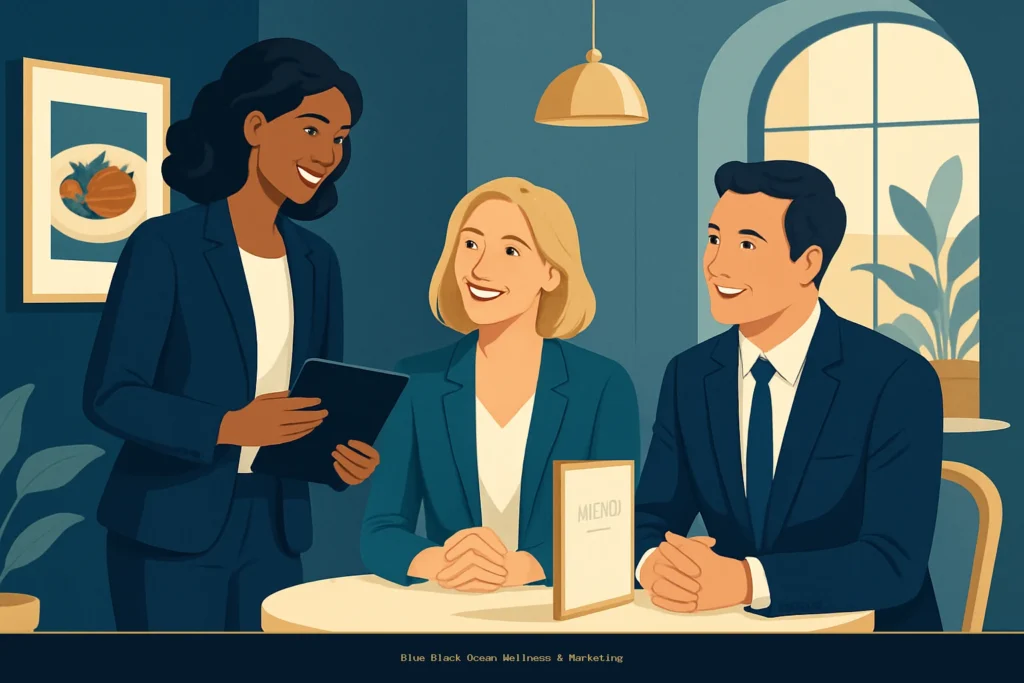
A customer scrolls through your restaurant’s fanpage, pauses on a photo of the signature dish, and types “how much is this?” in the comments. Your staff replies within minutes. Then nothing. No follow-up question, no phone call, no reservation. This happens a dozen times a week, and it is easy to blame the algorithm or slow season. It is rarely either one. The customer looked, got curious, and then hit a wall of uncertainty that your content never removed.
Table of Contents
Direct answer: people are not failing to book because your menu lacks variety. They are failing to book because nothing in your online presence gives them enough confidence to picture the actual visit: what the room feels like, what the portion looks like for that price, whether it fits their plans for a Tuesday lunch or a Friday date night. Views without action is a trust gap, not a traffic gap.
The Uncomfortable Truth
Most restaurant owners assume that if people are seeing the food, the food will sell itself. But a photo of a plate answers only one question: does this look appetizing. It does not answer the five or six other questions running through a first-time customer’s mind before they commit money and time to a place they have never walked into.
Before smartphones and fanpages, this job belonged to a host greeting you at the door, a server describing the special, or a friend saying “trust me, get the salmon, and ask for the corner table.” That in-person reassurance did the real selling. Today, for anyone discovering you online, your content has to do that same job alone, with no human standing next to them to answer follow-up questions in real time. If your photos, captions, and website do not do that work, the customer defaults to the safer, more predictable choice: a competitor whose page already answered those questions, or simply staying home.
The uncomfortable part is that this is fixable without adding a single new item to the menu. The fix is entirely about how existing dishes, space, and pricing are presented.
Why the Gap Exists in the First Place
Three patterns show up again and again in restaurant fanpages and websites:
- Photos that do not match reality. Overly staged or heavily edited images create a mismatch between expectation and the real dining experience, which subconsciously raises doubt even if the customer cannot articulate why.
- Price with no context. A number next to a dish name tells a customer nothing about portion size, ingredients, or what makes it worth that price compared to a cheaper option nearby.
- No visual proof of the space or the process. Customers deciding between a dozen open tabs want to see the dining room, the kitchen in motion, the daily rhythm of the place, not just the finished plate.
None of this is about dishonesty. It is about incompleteness. The content answers “does this look good” but skips “can I trust this enough to show up.”
Key Takeaways
- High views with low bookings almost always signals a trust problem, not a visibility problem.
- Customers need to mentally rehearse the visit before committing: what it looks like, what it costs, whether it fits their occasion.
- Repeated questions in your inbox (hours, price, parking, kid-friendly, signature dish) are a map of missing information, not an inconvenience.
- Fixing this requires consistency across photos, captions, pricing context, and a website that functions as a decision-making tool, not a digital brochure.
- Volume of content matters less than clarity and consistency of the content you already have.
A Practical Checklist to Close the Trust Gap
Use this as a working sequence rather than a wish list. Each step builds on the one before it.
- Audit your inbox and comments for the last 30 days. List the questions that show up more than once: hours, pricing, parking, group seating, dietary options, signature dishes. This is your customer’s actual decision checklist.
- Match each recurring question to a visible answer. If “is there parking” comes up often, that answer belongs in your website header or pinned post, not buried in a reply thread.
- Shoot real photos and short video on location. Capture the dish as it is actually served, the kitchen prepping it, and the dining room during a normal service, not just an empty staged shot.
- Add context to pricing. A short line about portion size, sourcing, or what makes a dish worth the price removes the guesswork that makes people compare you unfavorably to competitors.
- Turn your website or landing page into a decision hub. Menu, pricing, space photos, brand story, and a clear next step (call, reserve, order) should all live in one place a customer can browse in under two minutes.
- Post on a steady, predictable schedule. Consistency signals an active, reliable business more than any single viral post does.
- Make the next step obvious everywhere. Every post and every page should end with a clear action: call this number, reserve here, order for pickup.
How Blue Black Ocean Approaches This Problem
When a restaurant brings this exact friction to Blue Black Ocean, the engagement starts with diagnosis, not content production. We review the existing fanpage, website (if one exists), comment history, and pricing presentation to identify exactly where a first-time customer loses confidence. From there, we prioritize the highest-friction gaps first, usually pricing context and space visibility, before moving to broader content volume.
Implementation typically includes on-location photo and video shoots covering dishes, kitchen preparation, and the dining room during real service hours, a consistent fanpage posting rhythm built around those assets, and a website or landing page rebuilt to function as a genuine decision-making tool rather than a static digital menu. Every piece of content is connected back to a specific next action: calling, reserving, or ordering.
This approach shaped our work with Niji Sushi & Grill, where Blue Black Ocean filmed the dishes, preparation process, dining space, and daily operations on site, established a regular fanpage posting cadence, and developed the restaurant’s website into a central place where customers could understand the menu, the brand story, and the overall experience before ever walking in. The visible shift was in clarity, consistency, and digital presence, the kind of groundwork that has to exist before a customer feels ready to commit.
Measuring Whether It Is Working
Before changing anything, write down your current baseline: how many inbox questions repeat weekly, roughly how many comments convert to a call or reservation attempt, and how complete your website feels to a stranger. After implementation, track leading indicators over four to six weeks: fewer repeated basic questions in your inbox, more comments that move toward booking language (“can I reserve for Friday”), and steadier engagement on posts that show process and space rather than only finished plates. Review these signals monthly alongside actual reservation and pickup order volume to confirm the content changes are translating into real decisions, not just better-looking posts.
What to Do This Week
Set aside 15 minutes. List the five questions customers ask most often through messages or phone calls, commonly hours, pricing, parking, seating for families, and your signature dish. Then check your fanpage and website: is each answer visible without anyone having to ask? Whatever is missing is your starting point for this week, not next quarter.
Frequently Asked Questions
Why do people comment asking about price but never actually book?
Because a price without context (portion size, what is included, why it costs what it does) leaves room for doubt, and doubt leads to inaction rather than a follow-up question.
Do we need more menu items to attract more bookings?
Usually not. The friction is almost always in presentation, pricing context, and visual proof of the experience, not in the size or variety of the menu itself.
How often should we post to build trust?
Consistency matters more than frequency. A steady, predictable schedule that shows real dishes, real space, and real process builds more confidence than sporadic bursts of content.
Is a website necessary if we already have an active fanpage?
A fanpage is good for discovery, but a website gives customers a single, calmer place to review the menu, pricing, space, and story at their own pace before deciding to call or visit.
Your Next Step
If your fanpage gets attention but your phone stays quiet, the fix is not louder marketing, it is clearer, more consistent presentation of what you already offer. Blue Black Ocean offers a Free Marketing Direction Review to walk through exactly where your current content is losing customer confidence and what to prioritize first. No guarantees, just a clear look at where the trust gap is and what closing it would take.
Trả lời nhanh: Khách xem menu rồi im lặng không phải vì họ không muốn ăn, mà vì thông tin bạn đưa ra chưa đủ để họ cảm thấy chắc chắn. Muốn khách đặt bàn, gọi điện hoặc ghé trực tiếp, nhà hàng cần trình bày món ăn, giá, không gian và câu chuyện thương hiệu theo cách rõ ràng, nhất quán và dễ hiểu ngay từ lần xem đầu tiên.
Mục lục
Sự thật cần nhìn thẳng
Rất nhiều chủ nhà hàng nghĩ vấn đề là “chưa có đủ người biết đến mình”. Nhưng khi nhìn kỹ số liệu tương tác trên fanpage, họ nhận ra sự thật khác: người xem không ít, người hỏi giá cũng không ít, nhưng số người đặt bàn hoặc gọi điện lại rất nhỏ so với lượng quan tâm ban đầu.
Đó là dấu hiệu của một vấn đề khác hẳn: khách đã thấy nhà hàng, đã tò mò, nhưng chưa đủ tin tưởng để bước tiếp. Họ dừng lại ở giai đoạn “xem thử” và không có động lực để hành động ngay.
Nguyên nhân thường không nằm ở chất lượng món ăn thực tế. Nó nằm ở cách món ăn, không gian và giá cả được trình bày trước khi khách trải nghiệm trực tiếp. Nếu hình ảnh mờ nhạt, thông tin rời rạc, hoặc không có gì giúp khách tưởng tượng được trải nghiệm, họ sẽ chọn phương án an toàn hơn: một nơi khác dễ hiểu hơn, dù chưa chắc ngon hơn.
Những điểm chính cần ghi nhớ
- Khách hàng chưa từng đến nhà hàng của bạn cần đủ thông tin để tưởng tượng trải nghiệm trước khi quyết định.
- Ảnh món ăn đẹp nhưng không thật, hoặc không phản ánh đúng phần ăn thực tế, sẽ làm giảm độ tin cậy chứ không tăng.
- Giá không có ngữ cảnh (phần ăn lớn nhỏ, nguyên liệu, cách chế biến) khiến khách cảm thấy rủi ro khi phải tự đoán.
- Những câu hỏi lặp lại qua tin nhắn (giờ mở cửa, đậu xe, không gian, món đặc trưng) là dấu hiệu cho thấy thông tin cơ bản chưa có sẵn ở nơi khách dễ tìm.
- Website hoặc trang giới thiệu, nếu được xây dựng đúng, có thể đóng vai trò như một “buổi tham quan trước” giúp khách yên tâm hơn trước khi đặt bàn.
Quy trình kiểm tra thực tế cho chủ nhà hàng
- Xem lại 10 bình luận hoặc tin nhắn gần nhất hỏi về menu, giá, hoặc không gian. Ghi lại những câu hỏi lặp đi lặp lại.
- Kiểm tra fanpage và website xem những thông tin đó đã có sẵn, rõ ràng và dễ tìm chưa.
- Đánh giá ảnh và video hiện có: có phản ánh đúng món ăn thật, không gian thật, và trải nghiệm thật không, hay chỉ là ảnh chung chung tải từ nguồn khác.
- Xác định 3 món hoặc trải nghiệm đặc trưng cần được giải thích kỹ hơn (nguyên liệu, cách chế biến, vì sao đáng thử).
- Lên lịch bổ sung nội dung: ảnh, video ngắn, hoặc mô tả chi tiết cho những điểm còn thiếu, đăng đều đặn thay vì đăng dồn một lần rồi bỏ trống nhiều tuần.
Một điều cần nhìn nhận rõ: trước đây, nhà hàng thường phải dựa vào tờ rơi, danh thiếp giao tận tay, hoặc quảng cáo trên báo địa phương để khách biết đến mình. Cách đó tốn công phân phát và khó biết ai thực sự quan tâm. Các nền tảng mạng xã hội ngày nay giúp nhà hàng tiếp cận đúng nhóm khách ở gần, thử nhiều cách trình bày món ăn khác nhau, và theo dõi phản hồi rõ hơn nhiều so với trước.
Nhưng công cụ dễ tiếp cận hơn không tự động tạo ra kết quả. Nhiều nhà hàng vẫn đăng bài đều mà khách vẫn không đặt bàn, đơn giản vì nội dung, hình ảnh, website và các bước hành động chưa được kết nối với nhau thành một hệ thống rõ ràng.
Giải pháp Blue Black Ocean đề xuất
Khi làm việc với một nhà hàng gặp tình huống này, Blue Black Ocean bắt đầu bằng việc chẩn đoán điểm nghẽn cụ thể: xem lại toàn bộ nội dung hiện có trên fanpage và website, so sánh với những câu hỏi khách thường đặt ra, và xác định chỗ nào đang thiếu thông tin hoặc thiếu độ tin cậy.
Sau đó, Blue Black Ocean trực tiếp đến nhà hàng để quay video và chụp ảnh thật: món ăn khi vừa hoàn thành, quá trình chế biến trong bếp, không gian phòng ăn, và những hoạt động hàng ngày của nhà hàng. Đây là bước quan trọng vì hình ảnh thật luôn tạo độ tin cậy cao hơn ảnh dàn dựng hoặc ảnh tải từ nguồn khác.
Nội dung sau khi ghi hình được đăng lên fanpage theo lịch đều đặn, không phải đăng dồn rồi bỏ trống. Việc duy trì nhịp độ ổn định giúp khách quen dần với hình ảnh thương hiệu và không còn cảm thấy nhà hàng “im lặng” trong thời gian dài.
Song song đó, Blue Black Ocean xây dựng mới hoặc cải thiện website nhà hàng để nơi này trở thành điểm khách có thể hiểu đầy đủ về menu, câu chuyện thương hiệu, không gian và trải nghiệm trước khi quyết định đến, đặt món, đặt lịch hoặc gọi điện. Ví dụ thực tế là Niji Sushi & Grill, nơi Blue Black Ocean đã ghi lại món ăn, quá trình chế biến, không gian và hoạt động thường ngày, đăng nội dung đều đặn, và phát triển website thành nơi trung tâm giúp khách hiểu nhà hàng trước khi ghé. Thay đổi quan sát được nằm ở sự rõ ràng và nhất quán trong cách nhà hàng xuất hiện trên các nền tảng số, không phải ở một con số cụ thể nào.
Nếu nhà hàng của bạn đang gặp đúng tình huống này, khách xem nhiều nhưng đặt bàn ít, Blue Black Ocean có thể cùng bạn nhìn lại toàn bộ cách trình bày dịch vụ hiện tại. Hãy đăng ký một buổi Free Marketing Direction Review qua trang Contact để trao đổi cụ thể, không có gì ràng buộc hay cam kết trước.
Câu hỏi thường gặp
Nhà hàng nhỏ, ít nhân sự, có cần làm hết các bước này không?Không cần làm tất cả cùng lúc. Ưu tiên trước tiên là trả lời rõ những câu hỏi khách hỏi lặp lại nhất, sau đó mới nghĩ đến việc quay video hoặc làm website. Làm ít nhưng rõ ràng vẫn tốt hơn làm nhiều mà rời rạc.
Nếu nhà hàng chưa có website, chỉ dùng fanpage có đủ không?Fanpage có thể tạm đủ trong giai đoạn đầu, nhưng thông tin trên fanpage dễ bị trôi theo thời gian và khó tổ chức thành một nơi tra cứu ổn định. Website đóng vai trò lưu giữ thông tin cố định, đặc biệt hữu ích khi khách muốn xem lại menu hoặc giá trước khi quyết định.
Làm sao biết nội dung mới có thực sự giúp khách tin tưởng hơn không?Theo dõi những câu hỏi lặp lại qua tin nhắn hoặc điện thoại trước và sau khi cập nhật nội dung. Nếu số câu hỏi cơ bản giảm dần và khách bắt đầu hỏi thẳng về việc đặt bàn hoặc đặt món, đó là dấu hiệu nội dung đang làm đúng việc của nó.

[…] Why Restaurant Menu Photos Get Views But Not Reservations […]